
A crash can happen in seconds, but evidence showing that a driver was distracted may disappear just as quickly. A witness leaves, a nearby camera system overwrites old footage, or a damaged phone is replaced. If you are asking where to find distracted driving accident evidence in Louisiana after a Monroe collision, the answer may involve several sources rather than one decisive piece of proof. Campbell, House, & Company helps injured people understand how those sources may fit into a broader personal injury investigation.
This article explains what observations and materials to preserve promptly, how witnesses and nearby businesses may matter, what phone and vehicle data may show, and why crash victims should not try to obtain another person’s private phone records themselves. It also explains why a citation or traffic finding may be relevant without automatically resolving civil liability in a Louisiana injury claim.
This article explains what observations and materials to preserve promptly, how witnesses and nearby businesses may matter, what phone and vehicle data may show, and why crash victims should not try to obtain another person’s private phone records themselves. It also explains why a citation or traffic finding may be relevant without automatically resolving civil liability in a Louisiana injury claim.
What Counts as Distracted Driving Accident Evidence in Louisiana?
Distracted driving does not always mean texting. It may involve handheld phone use, looking at a screen, eating, adjusting controls, reaching for an object, or another activity that diverts attention from the roadway. Understanding the suspected conduct can help identify the evidence that may exist. Campbell, House, & Company discusses common causes of distracted driving to help readers recognize why different investigations may require different sources.
Start with What You Personally Observed
Write down what you remember as soon as reasonably possible. Include where each vehicle was, whether the other driver appeared to be looking down or away, how long that behavior lasted, and what happened immediately before impact. Avoid guessing about what was on the driver’s screen. A clear description of an observation is generally more useful than a conclusion about someone’s intent.
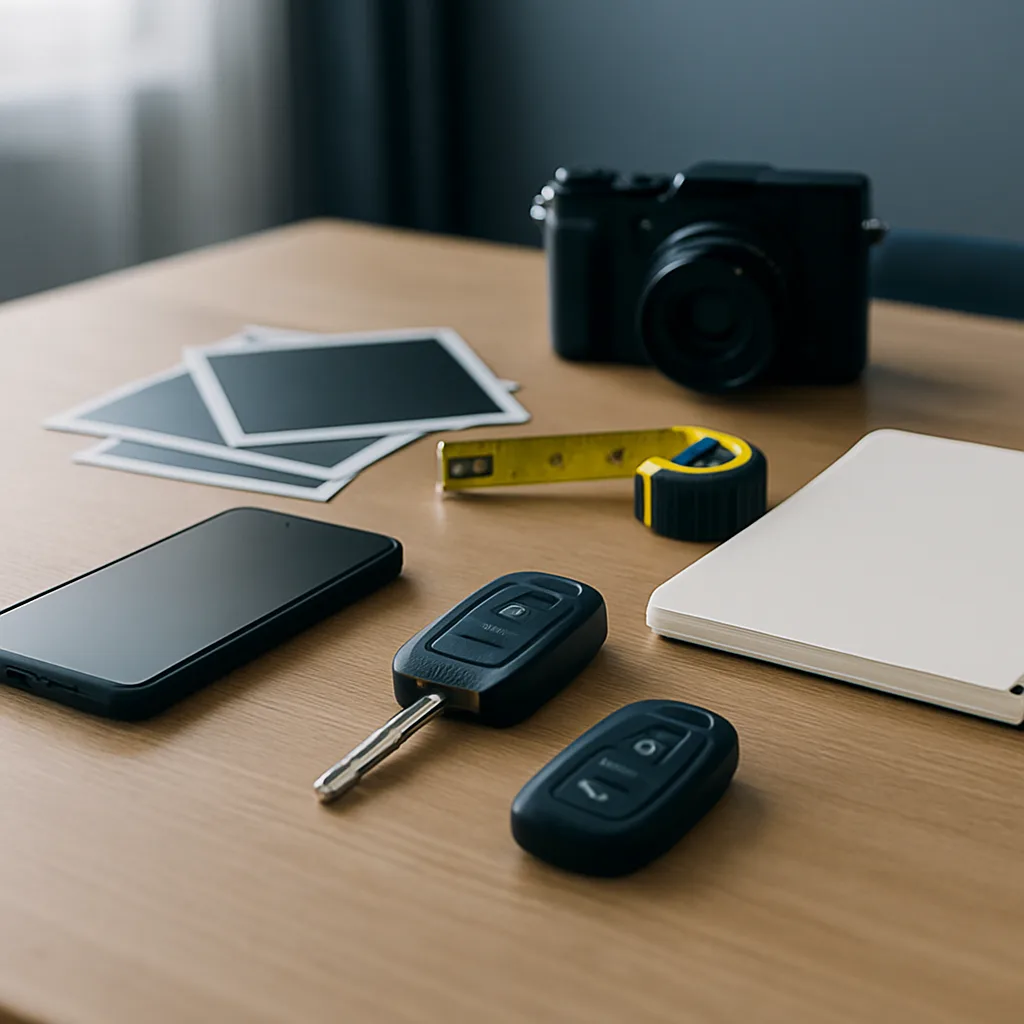
Preserve photographs and video from the scene if it is safe to do so. Useful materials may include vehicle positions, roadway markings, lighting, weather, sight lines, damage, debris, and nearby signs or businesses. Keep original files when possible, along with the date and approximate time they were created. In Monroe, Louisiana, these details may help an investigator understand the physical setting of the collision instead of relying only on later recollections.
Where Else Can Monroe Drivers Look for Proof of a Distracted Driving Collision?
Other people and recording systems may provide information that a crash victim cannot obtain alone. Witnesses may have seen the driver holding a phone, looking down, or failing to react to stopped traffic. Their accounts should be recorded accurately, without coaching or pressure. Obtain contact information if they are willing to provide it, and note what each person says they personally observed.
Nearby businesses, residences, parking facilities, and traffic-control systems may have exterior cameras. Video can be overwritten, retained for a limited period, or controlled by a private owner. A business may not be able to release footage informally, and a public agency may have its own request process. Depending on the circumstances, an attorney may send a preservation request or pursue the material through lawful procedures.
For a crash involving an unknown or fleeing driver, promptly recording vehicle details, witness information, and possible camera locations can be especially important. The discussion of preserving evidence after a Monroe hit-and-run crash offers a related example of why time-sensitive evidence deserves attention.
Potential sources may include:
- Statements from passengers, pedestrians, or other motorists;
- Dashcam, doorbell, business, or traffic-camera footage;
- Photographs showing the roadway, vehicles, and visibility conditions;
- Event data or other vehicle information, when available and legally obtainable;
- The other driver’s statements to officers, witnesses, insurers, or others; and
- Police reports, diagrams, photographs, and any citation issued after the crash.
A police citation may support an argument about conduct, but it does not necessarily establish every element of a civil negligence claim. In Louisiana, the legal significance of each item depends on its reliability, admissibility, connection to the collision, and relationship to the injuries and losses being claimed.
How Should You Preserve Evidence Without Creating New Problems?
Evidence preservation is not the same as conducting a private investigation. Crash victims generally should avoid accessing another person’s phone, guessing passwords, impersonating someone to obtain records, or contacting a carrier as if they were the account holder. Phone records and device contents can contain private information, and obtaining them improperly may create privacy, evidentiary, or credibility concerns.
Phone and Vehicle Data Require Lawful Procedures
A phone bill may show account activity or communications, but it may not prove who was holding the phone, what the person was doing, or whether the activity caused the collision. More detailed information may be held by a wireless provider, app company, employer, vehicle manufacturer, or another custodian. Access may require consent, formal discovery, a subpoena, a court order, or another lawful process, depending on the facts and jurisdiction.
Similarly, vehicle event data may have limitations. It may record information about speed, braking, or other vehicle conditions, but it may not directly identify distraction. Data can also raise questions about access, interpretation, and preservation. A qualified lawyer may coordinate appropriate requests and consult technical professionals when necessary.
Keep communications with insurers factual and organized. Do not delete photographs, messages, dashcam files, medical paperwork, or repair records. Avoid posting speculation about the crash on social media. Depending on the circumstances, a lawyer may help preserve evidence, evaluate witness accounts, and assess negligence separately from any traffic citation. A Monroe car accident lawyer can also explain what investigation steps may be available without encouraging an unauthorized search for private data.
Frequently Asked Questions
Can a witness prove that the other driver was distracted?
A witness’s account may provide important evidence, particularly when the witness describes specific conduct rather than simply saying the driver was careless. The value of the statement may depend on the witness’s location, line of sight, timing, consistency, and ability to identify the vehicle and driver. A witness does not need to determine legal fault; that assessment involves the complete evidence and applicable Louisiana law.
Does a distracted-driving ticket automatically prove my injury claim?
No. A citation or traffic finding may be relevant, but a personal injury claim generally involves additional questions. Those may include whether the driver’s conduct breached a duty, whether it caused the collision, what injuries resulted, and what damages are supported. Traffic enforcement and a civil claim are separate processes. The effect of a citation depends on the facts and how Louisiana law treats the specific evidence.
What if a nearby business refuses to provide surveillance video?
A business may have privacy policies, retention limits, or other reasons for not releasing footage informally. Do not threaten employees or attempt to access the system yourself. Record the business location, camera position, and approximate crash time, then discuss preservation options with counsel. Depending on the circumstances, a formal request or legal process may be available to seek relevant footage.
Can I request the other driver’s phone records from the carrier?
Usually, a person cannot simply request another customer’s private phone records. A carrier may require authorization or a legally valid request. Attempting to obtain records by misrepresentation or unauthorized access can create separate problems. An attorney may evaluate whether phone records are relevant and, if so, pursue them through appropriate procedures in a potential Louisiana civil case.
How Campbell, House, & Company Can Help
Campbell, House, & Company is dedicated to helping injured people in Monroe, Louisiana understand the evidence that may support a car accident claim. The firm can review available photographs, reports, witness information, video leads, vehicle data, and communications while considering how Louisiana negligence principles may apply. When appropriate, counsel may help send preservation requests, seek records through lawful procedures, and coordinate the investigation of distraction allegations.
Every collision has different facts, and no single item guarantees a particular result. If you are considering a Monroe distracted driver claim, contact Campbell, House, & Company for a free consultation or case evaluation to discuss your situation and legal options.
The information in this article is for educational purposes only and does not constitute legal advice. Contact a qualified attorney licensed in Monroe, Louisiana for advice specific to your situation.