
A hit-and-run can turn a routine drive through Monroe into a confusing and stressful situation. You may be dealing with vehicle damage, possible injuries, and few details about the driver who left. Understanding what happens after a hit-and-run in Monroe, Louisiana starts with a practical checklist: protect safety, report the collision, preserve evidence, obtain medical care, and notify the appropriate insurers.
Even when the other driver has not been identified, a claim may involve your own insurance coverage and evidence collected at the scene. Monroe car accident lawyers may be able to help you understand the available options without assuming that the fleeing driver will be located. Campbell, House, & Company provides information about the process and can evaluate whether a consultation makes sense for your circumstances.
##
What Happens After a Hit-and-Run in Monroe, Louisiana? Start With Safety and Reporting
Your immediate priorities are safety and an accurate record. If anyone may be seriously injured, move to a safe location if possible and call 911. Do not chase the departing vehicle. If the scene is dangerous, follow instructions from emergency personnel and avoid standing in traffic.
Report the collision promptly
Contact the appropriate law enforcement agency serving the location of the crash. Depending on where the collision occurred, that may involve local police, the Ouachita Parish Sheriff’s Office, or another agency with jurisdiction. Ask how to obtain the report or report number and keep that information with your claim records.
When speaking with an officer, describe what you personally observed. Useful details may include:
- The direction the other vehicle traveled;
- Make, model, color, or distinctive damage;
- A partial license plate or vehicle feature, if remembered;
- The location, time, and lane where the collision occurred; and
- Names and contact information for witnesses.
Avoid guessing about details you do not know. A report can document the scene and preserve information for a possible investigation, but it does not by itself establish who is legally responsible or guarantee that the driver will be found.
Preserve Monroe Hit-and-Run Evidence and Address Medical Care
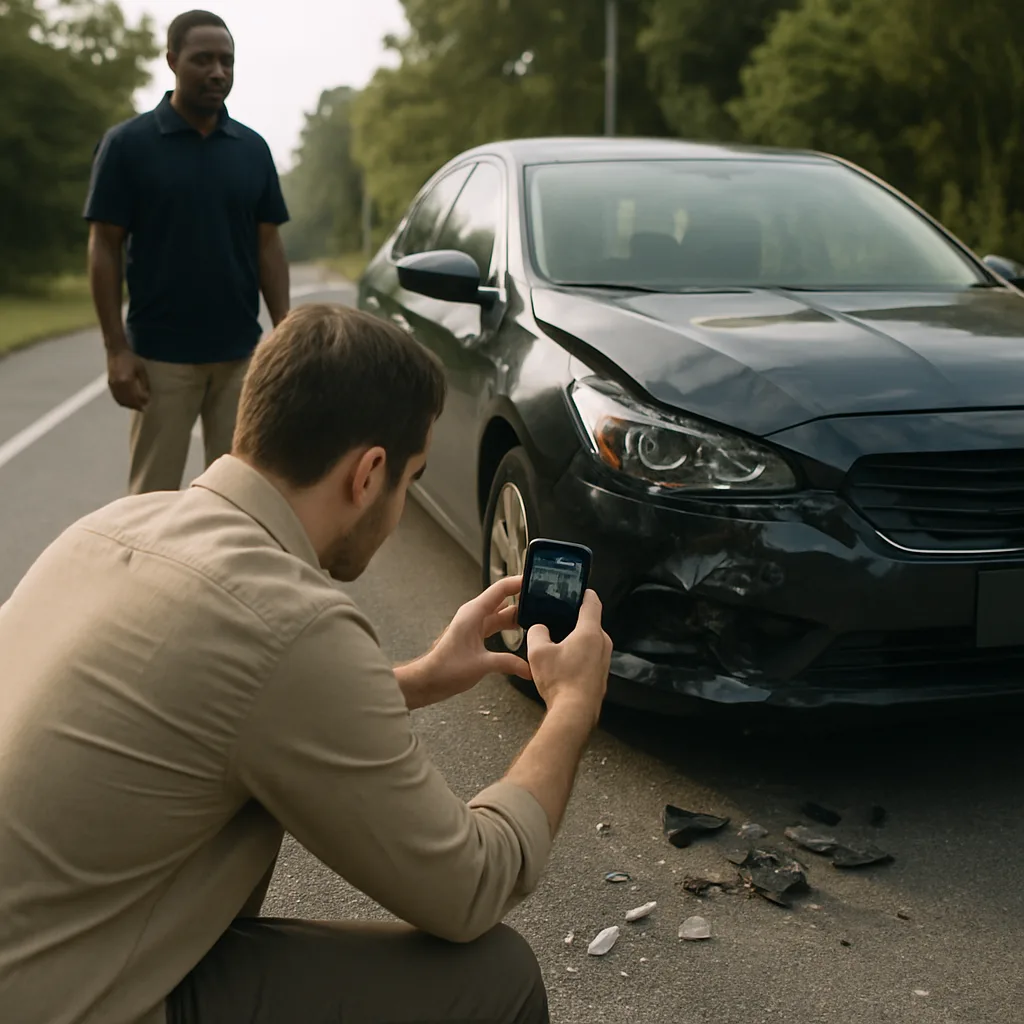
Evidence can become harder to locate as vehicles are moved, surveillance footage is overwritten, and memories fade. If it is safe, take photographs or video of vehicle damage, the roadway, debris, skid marks, traffic controls, weather conditions, and nearby businesses or residences. Do not put yourself in danger to collect evidence.
Gather witnesses and other identifying information
Ask witnesses for their names and preferred contact information. If someone saw the other vehicle, ask them to provide their own account to law enforcement rather than relying on your memory alone. Note nearby businesses, parking facilities, homes, or intersections that may have cameras. Do not enter private property or pressure anyone to provide footage; simply give relevant information to the investigating agency or your attorney.
Keep damaged items, photographs, repair estimates, towing records, and related communications. Do not repair or discard damaged vehicle parts before documenting them and, when appropriate, allowing an insurer or investigator to inspect the vehicle.
Get medical attention and track symptoms
A medical professional can assess injuries and explain appropriate care. Even if pain seems minor at first, tell the provider about symptoms and the collision. Also mention emotional or psychological symptoms, such as sleep disruption, anxiety, or fear of driving. Readers can review information about psychological injuries after a Monroe accident, but only a qualified healthcare professional can evaluate an individual’s condition.
Keep appointment information, bills, treatment records, work absence records, and a dated symptom log. These materials may help show how the collision affected you, although the value and relevance of any evidence depend on the facts of the claim.
Insurance, Uninsured-Motorist Coverage, and Common Mistakes
Notify your own automobile insurer about the collision according to the policy’s reporting requirements. Be accurate and cooperative, but remember that an insurance adjuster represents the insurer’s interests. You may be asked for a recorded statement, medical authorization, or settlement discussion. Depending on the circumstances, a lawyer may help you understand what a request means before you respond.
Explore possible coverage
When the at-fault driver cannot be identified, uninsured-motorist or hit-and-run coverage may be relevant. Coverage terms, exclusions, notice requirements, proof standards, and available limits depend on the policy and the facts. A policy may also include different rules for property damage and bodily injury. Review your declarations page and policy documents, and discuss questions with a qualified professional.
A potential hit-and-run injury claim in Louisiana can involve more than locating the departing driver. Relevant issues may include whether there is sufficient evidence that contact occurred, whether the policy applies, the nature of the injuries, and whether required notices or deadlines were met. Louisiana law and insurance procedures can change, so current advice should be based on the applicable policy and the collision’s location.
Common mistakes include:
- Waiting too long to report the crash or notify an insurer;
- Posting photographs or statements about the collision on social media;
- Agreeing to a release before understanding the injuries and coverage; and
- Failing to preserve witness information, vehicle evidence, or medical records.
A Monroe personal injury claim guidance resource may help explain how medical documentation, lost income, pain and suffering, available coverage, and liability are generally evaluated. It cannot determine what applies to your specific claim.
Frequently Asked Questions
What if the hit-and-run driver is never identified?
You may still have options to investigate an insurance claim, including possible uninsured-motorist coverage, depending on your policy and the facts. Prompt reporting, photographs, witness information, medical records, and proof of the collision can be important. An unidentified driver does not automatically mean that every claim will succeed, and coverage disputes may arise. A Louisiana attorney can review the policy, evidence, and applicable deadlines in a consultation.
Should I give the insurance company a recorded statement?
You generally should provide truthful information about the collision to your insurer, but the timing and scope of a recorded statement can matter. The insurer may also request documents or medical authorizations. Before agreeing to a statement or signing a release, some people choose to discuss the request with a personal injury lawyer. The appropriate response depends on the policy language, the insurer involved, and the circumstances of the accident.
Can I recover for emotional distress after a hit-and-run?
Emotional symptoms may be relevant to an injury claim when supported by the facts and appropriate documentation. Anxiety, sleep problems, or fear of driving should not be self-diagnosed or minimized. Tell a healthcare provider about symptoms and follow professional guidance. Whether a claim includes damages for emotional harm depends on applicable Louisiana law, the insurance policy, medical evidence, and other case-specific factors.
How long do I have to pursue a hit-and-run claim in Louisiana?
Deadlines can depend on the legal theory, the type of claim, the insurance policy, and other facts. Missing a deadline can affect legal rights, but the correct deadline cannot be determined from a general article. Because Louisiana laws and procedures may change, preserve records and discuss the matter with a licensed Louisiana attorney as soon as reasonably possible.
How Campbell, House, & Company Can Help
Campbell, House, & Company is dedicated to helping people understand the practical and legal issues that may follow a hit-and-run collision in Monroe, Louisiana. The firm can review available evidence, insurance information, medical documentation, and communications with insurers. Its team is committed to fighting for clients’ rights while explaining the claim process in clear terms and without promising a particular result.
If you are unsure how to proceed, you can schedule a Monroe injury claim consultation to discuss your situation. Contact Campbell, House, & Company for a free consultation or case evaluation.
The information in this article is for educational purposes only and does not constitute legal advice. Contact a qualified attorney licensed in Monroe, Louisiana for advice specific to your situation.